When it comes to household cleaning, a bagged vacuum cleaner remains a steadfast choice for many homeowners, combining efficiency and convenience in one compact design. These machines utilize disposable bags to capture dirt, dust, and allergens, ensuring that your living spaces stay fresh and clean. Unlike their bagless counterparts, bagged vacuums are renowned for their ease of use, as users can simply replace the bag when full, eliminating the hassle of emptying and handling dust and debris.
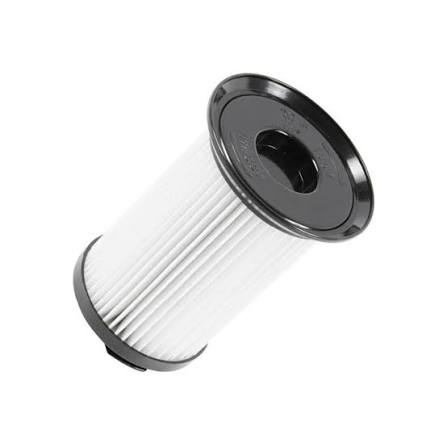
In addition to their practical advantages, bagged vacuum cleaners often feature robust filtration systems that can significantly improve indoor air quality. Many models come equipped with HEPA filters, which trap microscopic particles and pollutants, making them an ideal choice for allergy sufferers. As we delve deeper into the world of bagged vacuum cleaners, we will explore their advantages, maintenance tips, and how to choose the right model for your specific cleaning needs.
Advantages of Bagged Vacuum Cleaners
Bagged vacuum cleaners are often favored for their superior dirt containment and hygiene benefits. The disposable bags effectively trap dust and allergens, preventing them from re-entering the atmosphere when the vacuum is emptied. This is particularly advantageous for households with pets or members who suffer from allergies, as it helps maintain cleaner indoor air. Moreover, many bagged models offer a variety of features, such as adjustable suction power and specialized attachments for different surfaces, making them versatile tools for comprehensive cleaning. If you’re considering the best choices available, exploring bagged vacuum cleaner options can provide insights into suitable models that cater to your specific requirements.
Maintenance Tips
Maintaining a bagged vacuum cleaner is relatively straightforward, primarily involving the timely replacement of bags and regular checks on filters. It’s essential to monitor the bag’s fullness to ensure optimal suction power—most models feature a handy indicator light. Additionally, routine maintenance should include inspecting and cleaning the vacuum’s filters, especially if equipped with HEPA technology. Regularly wiping down the vacuum exterior and ensuring proper storage can also extend its lifespan and efficiency.
In conclusion, the bagged vacuum cleaner stands out as a practical and effective cleaning solution for any home, particularly for those concerned about air quality and hygiene. With their robust filtration systems and efficient dirt containment, these vacuums not only simplify the cleaning process but also significantly reduce the presence of allergens in your living environment. By following basic maintenance tips like regular bag changes and filter inspections, you can ensure that your bagged vacuum cleaner runs smoothly and lasts for years, making it a wise investment for maintaining a clean, healthy home. Whether you’re tackling pet hair, dust, or allergens, a bagged vacuum cleaner continues to be a trusted ally in your cleaning arsenal.