
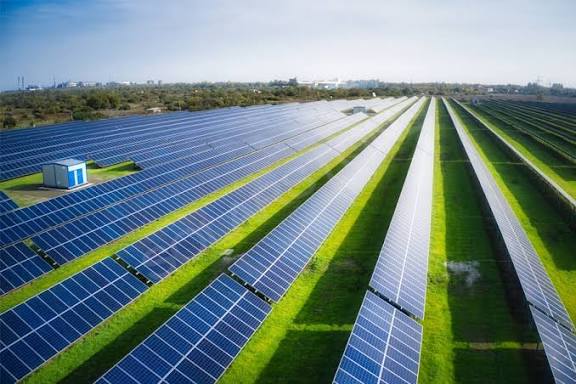
As the world grapples with the urgent need for sustainable energy solutions, solar power has emerged as a beacon of hope for both individuals and communities. Harnessing the sun’s abundant energy, solar power systems offer a clean, renewable alternative to traditional fossil fuels, significantly reducing carbon footprints and promoting environmental stewardship. With advancements in technology and decreasing costs, solar energy is becoming more accessible, empowering homeowners and businesses alike to make informed choices that contribute to a greener planet.
This article delves into the intricacies of solar power systems, exploring their components, benefits, and the various ways they can be implemented. From solar panels and inverters to energy storage options, we’ll provide a comprehensive overview of how these systems work and the potential they hold for shaping our energy future. Whether you’re considering a solar installation for your home or simply curious about this innovative technology, understanding solar power is key to embracing a sustainable lifestyle in an increasingly energy-conscious world.
Components of Solar Power Systems
The key components of solar power systems include solar panels, inverters, and batteries, each playing a critical role in harnessing and utilizing solar energy. Solar panels convert sunlight into direct current (DC) electricity, which is then transformed into alternating current (AC) electricity by inverters, making it usable for household appliances and the grid. Energy storage solutions, such as lithium-ion batteries, enable homeowners to store excess energy produced during peak sunlight hours, ensuring a consistent energy supply even when the sun isn’t shining. For those looking to optimize their energy use, innovative options like balkonkraftwerke are increasingly popular, allowing for smaller-scale solar production directly from balconies.
Benefits of Solar Power Implementation
The adoption of solar power brings about a multitude of benefits, both environmentally and economically. By shifting to solar energy, individuals and communities can significantly lower their electricity bills and reduce reliance on fossil fuels, leading to a cleaner environment and lower greenhouse gas emissions. Additionally, many governments offer incentives and tax rebates for solar installations, making the transition even more financially attractive. With continuous advancements in technology and financing options, solar power presents a viable solution for sustainable energy, paving the way for a more resilient energy future.
In conclusion, the transition to solar power systems represents a pivotal shift towards a more sustainable and resilient energy landscape. By enabling the harnessing of clean, renewable energy, these systems not only empower individuals to reduce their carbon footprints and save on energy costs but also foster community engagement in global environmental efforts. As technological advancements continue to enhance the efficiency and affordability of solar solutions, the potential for widespread adoption increases, driving a collective movement towards energy independence and sustainability. Embracing solar power is not merely a personal choice; it is a vital contribution to a healthier planet and a step towards securing a cleaner future for generations to come.