
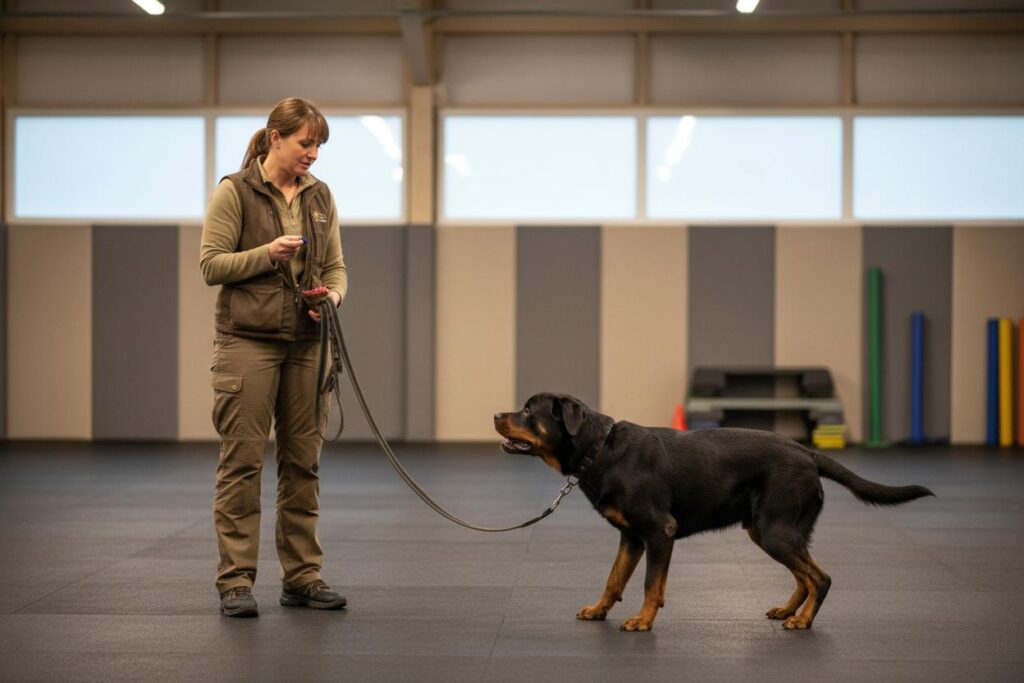
Aggression training is a specialized approach designed to help individuals and animals manage and understand aggressive behavior more effectively. It encompasses a range of techniques and strategies tailored to de-escalate potential conflicts, enhance communication skills, and promote calmness in situations that may trigger aggression. Whether applied in the context of animal behavior, personal development, or occupational training, aggression training serves as a vital tool for fostering healthier relationships and environments.
Techniques and Strategies
Aggression training employs a variety of techniques and strategies aimed at understanding the root causes of aggressive behavior. These approaches often include behavioral assessments, role-playing scenarios, and controlled exposure to triggering situations, allowing individuals and animals to develop coping mechanisms in a safe environment. In the context of animal training, these methods can foster behavioral modifications, enabling pets to respond more calmly to stressful stimuli. Similarly, in personal development, participants learn to identify emotional triggers and apply conflict-resolution strategies, enhancing their communication and emotional intelligence skills.
Importance in Different Contexts
The importance of aggression training extends across multiple contexts, from improving workplace dynamics to fostering better relationships in personal life. By implementing structured programs, such as agressietraining, individuals can better manage their responses in challenging situations, ultimately leading to more peaceful interactions. As the societal focus shifts toward understanding and addressing aggression, engaging in such training becomes a proactive step towards creating environments that prioritize empathy and cooperation, whether at home, in the community, or in professional settings.
As aggression training continues to evolve, its effectiveness in promoting understanding and managing aggressive behaviors becomes increasingly evident. The holistic approach—encompassing both mental and emotional awareness—empowers individuals and animals alike to navigate their environments with greater confidence and composure. By integrating these techniques into everyday life, participants not only learn to recognize their triggers but also cultivate empathy for others’ experiences, ultimately transforming potential conflicts into opportunities for connection and growth. The commitment to aggression training not only enhances personal and interpersonal dynamics but also contributes to a broader cultural shift towards compassion and cooperation, laying the groundwork for a more peaceful coexistence in both human and animal interactions.